CostaRica Real Estate Market Prediction
Understanding the Costa Rica Real Estate Market: What to expect in the next 5 years
Costa Rica's real estate market has seen remarkable growth and development in recent years. Customers are drawn to its breathtaking natural landscapes, including pristine beaches and rich rainforests, fueling interest in vacation or investment properties. The country's stable politics and excellent healthcare add to its appeal, especially for retirees and expats looking for a serene lifestyle.
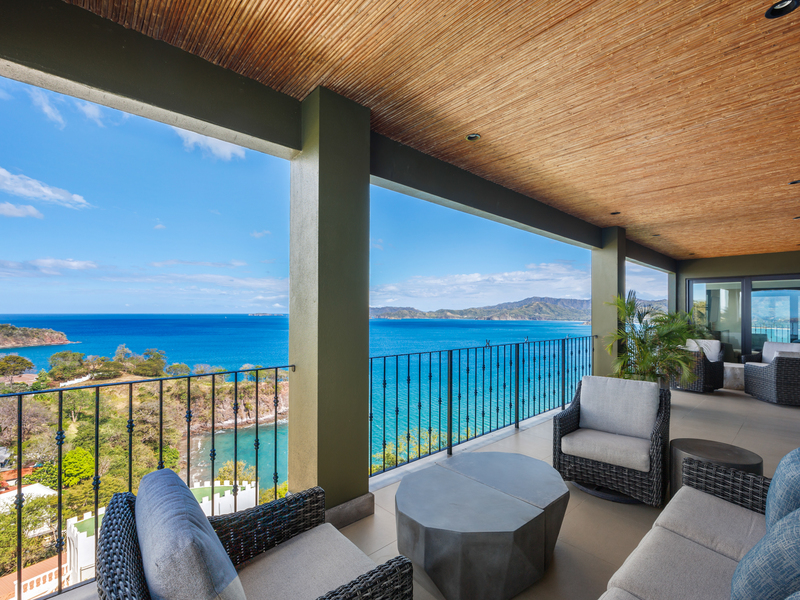
A notable market trend is a rising demand for eco-friendly, sustainable homes featuring green materials and renewable energy, reflecting increasing environmental consciousness and a push for smaller carbon footprints. Additionally, there's a surge in luxury properties boasting modern amenities and designs.
Costa Rica's robust tourism sector significantly influences the real estate market, with many tourists opting to invest in property, spurring demand for vacation rentals in areas like Guanacaste and the Nicoya Peninsula. Government incentives for foreign investment in real estate also play a role.
The stable, growing economy, characterized by tourism, agriculture, and technology sectors, boosts disposable income and purchasing power, facilitating real estate investments.
The Costa Rica real estate market is undergoing significant changes and offers diverse investment opportunities in the next five years. Here's an overview of the current trends and future expectations:
The Post-Pandemic Market Landscape
The Costa Rican real estate market is transitioning from the impact of the COVID-19 pandemic. This phase is marked by two distinct trends: a general price depreciation in urban areas, including the capital, and a stark contrast in the Pacific Coast regions like Tamarindo, where demand from foreign nationals and digital nomads drives up property values. This bifurcation reflects the diverse investment opportunities and challenges within the market, highlighting the need for investors to be strategic and adaptable.
Demographic Shifts Influencing the Market
A significant shift in the investor demographic is reshaping the real estate landscape. The transition from retiree-dominated investments to a more diverse group, including younger families and remote workers, creates new demand patterns. These newer investors are drawn to larger, family-oriented properties in areas with good education and lifestyle amenities. As a result, regions like Dominical, Uvita, and Playa Grande are emerging as attractive alternatives to traditional expat havens.
Investment Landscape: Opportunities and Challenges
Costa Rica offers a rich tapestry of investment opportunities. In urban areas like San Jose, high-end projects promise significant returns, while beachfront vacation rentals are equally lucrative, particularly in regions like Tamarindo. The investment landscape, however, is predominantly cash-based for foreign investors, underscoring the need for robust financial planning and readiness for sizable upfront investments.
Regional Insights: Coastal Charm vs. Urban Appeal
Tamarindo and the Pacific Coast
Tamarindo and the broader Pacific Coast are quintessential for their blend of serene beauty and expat-friendly amenities. This region continues attracting many investors, drawn by the promise of a tranquil lifestyle and the potential for high rental yields.
Central Valley's Urban Expansion
In contrast, the Central Valley, especially around San José, is experiencing an upsurge in urban development. The growing demand for condominiums and commercial spaces is catering to a more city-centric lifestyle, offering diverse opportunities for investors interested in urban real estate.
Navigating Legal and Tax Landscapes
The Costa Rican legal and tax systems present challenges and advantages for real estate investors. Understanding the legalities around beach property ownership and squatter rights is crucial. On the tax front, the country's regime is investor-friendly, with low property taxes in Costa Rica and progressive rental income tax rates adding to its attractiveness as an investment destination.
Investor Mindset: Embracing Sustainability and Long-Term Value
Modern investors in Costa Rica are increasingly focused on sustainability and long-term value. This shift towards eco-friendly living and sustainable practices aligns with the country's environmental ethos, making Costa Rica a unique investment destination for those looking for green and ethical investment opportunities.
Market Efficiencies on the Horizon
The Costa Rican real estate market is gearing up for enhanced efficiency and transparency. The introduction of a national multiple listing service and the professionalization of real estate agents and brokers are expected to significantly improve market operations, making it more accessible and trustworthy for foreign investors.
Projected Market Growth
Looking ahead, the market is expected to grow by 2.47% through 2028, achieving a volume of around US$360.40 billion. This projected growth is a testament to the market's resilience and potential, buoyed by global economic trends and local market dynamics.
Some Facts about the Costa Rica Real Estate Market:
Investment Returns: The return on investment in the capital, San Jose, remains high in luxury projects and even higher in less desirable areas. Vacation rentals in beachfront areas like Tamarindo and Guanacaste offer even higher returns.
Buyer's Market: Despite depreciating prices, real estate transactions are rising, driven by foreign investors and increased tourist arrivals. The market favors buyers with ready money, as financing in Costa Rica is expensive and difficult to obtain.
Demographic Shifts: There's a noticeable shift in the foreign real estate investor profile, moving from predominantly retirees to younger families and remote workers. This has increased demand for larger family-oriented properties and market diversification.
Digital Nomads Law: In response to the influx of younger investors and remote workers, Costa Rica enacted the Digital Nomads Law in March 2021, offering a streamlined pathway for foreign remote workers to reside in the country.
Corporate Nearshoring: Costa Rica is becoming a business nearshoring hub due to its educated workforce and robust infrastructure. This impacts the real estate sector, increasing commercial and residential property demand.
Taxation and Legal Aspects: Costa Rica offers attractive taxation for real estate investments, with no capital gain taxes on selling your home and low property taxes. However, it's a pro-tenant society, and the legal framework around rentals favors tenants.
Coastal Property Restrictions: The first 200 meters of coastline in Costa Rica are public domain, with specific restrictions on ownership and construction. Foreign nationals need a local partner to own concession property in this zone.
Squatter Rights: Squatter rights are a notable issue in Costa Rica. If a property owner allows someone to use their property for over a year, the user may claim ownership rights over time.
Market Resilience and Affordability: The Costa Rican real estate market is resilient amidst global uncertainties. It offers affordable options compared to some parts of the U.S., with a 4-bedroom home potentially costing between $300,000 to $400,000.
Costa Rica's real estate market is experiencing growth and transformation, driven by demographic shifts, new laws, and corporate nearshoring. This makes it an attractive option for a diverse range of investors. While it remains primarily a cash-based market with some challenges like property rights and financing, its stability, affordability, and appealing lifestyle make it a lucrative destination for real estate investment in the coming years.
Frequently Asked Questions
What are the best areas in Costa Rica for real estate investment?
Popular areas include Tamarindo for beachfront properties, the Central Valley for urban investments, and Guanacaste for tourist-centric real estate.
Is it safe for foreigners to invest in Costa Rican real estate?
Yes, Costa Rica is considered safe and stable for foreign real estate investment, with legal protections in place.
Can foreigners own property outright in Costa Rica?
Yes, foreigners can own property in Costa Rica with the same rights as citizens, except for certain beachfront properties.
What are the property taxes like in Costa Rica?
Property taxes in Costa Rica are relatively low, typically around 0.25% of the property value annually.
Is Costa Rica's real estate market eco-friendly?
There's a growing trend towards eco-friendly and sustainable properties in Costa Rica, reflecting environmental consciousness.
Are there financing options available for foreign buyers in Costa Rica?
Financing options are limited; the market is predominantly cash-based for foreign investors, but some banks offer expat lending programs.