Buying Property in Costa Rica: The Complete Guide for Foreign Buyers
You've decided Costa Rica might be the place. The next thought is usually the nervous one: can a foreigner actually buy here safely, and how does it really work? The good news is that the process is more straightforward and more protective of buyers than most people expect, provided you understand a few rules that are specific to this country. This guide walks through all of them.

Can Foreigners Own Property in Costa Rica?
Yes. Costa Rica grants foreign buyers the same ownership rights as its own citizens over titled property, known as fee simple or propiedad. You do not need to be a resident, hold a special visa, or take a local partner to own a home outright in your own name. This is one of the reasons the country has become such an established market for buyers from the United States and Canada.
There is one important exception to understand before you fall for a beachfront listing.

The Maritime Zone: The One Rule That Catches People Out
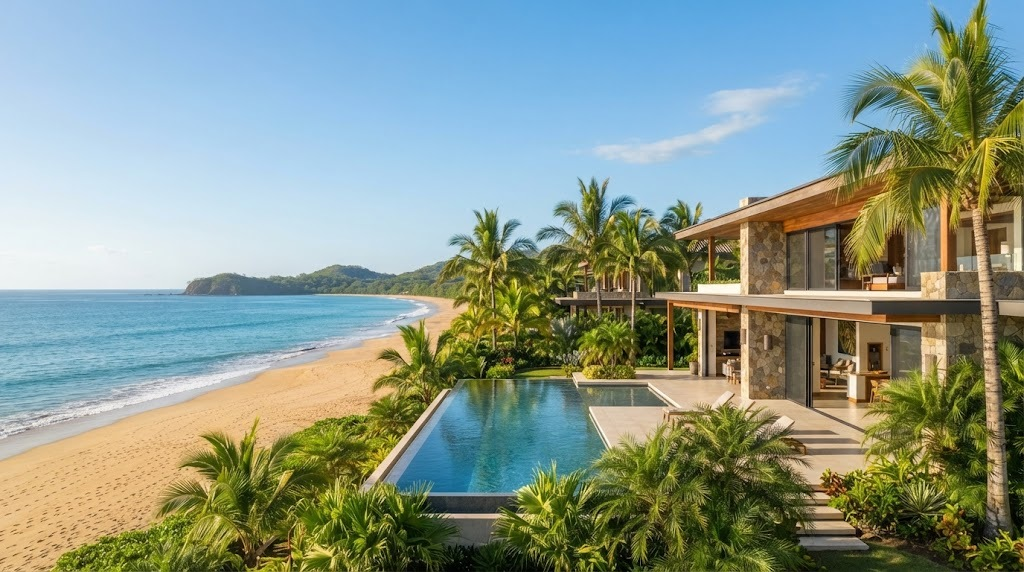
Land within the first 200 metres of the high-tide line falls under the Maritime Terrestrial Zone. The first 50 metres is public land that no one can own. The next 150 metres is usually concession land, leased from the local municipality rather than owned outright, and foreign ownership of concessions is restricted, often capped unless you meet residency and structuring requirements.
The practical takeaway: a lot of what gets marketed as "beachfront" is concession, not titled land. Titled ocean-view property set back from the beach is a very different and generally safer asset than a concession right. Always confirm which you're looking at. A good agent and attorney will tell you upfront.

The Step-By-Step Buying Process
1. Find the property and make an offer. Once you've chosen a property, your agent prepares an offer. When it's accepted, the terms move into a purchase agreement.
2. Sign a purchase and sale agreement. This option agreement sets the price, timelines and conditions, and is typically accompanied by a deposit, often around 10 percent, held in escrow rather than paid to the seller directly.
3. Use a regulated escrow account. Funds are held by an escrow agent registered with SUGEF, Costa Rica's financial regulator. This protects both sides and is standard practice. Never wire a deposit straight to a seller or an unverified account.
4. Complete due diligence. Your attorney runs a title study at the National Registry (Registro Nacional) to confirm the seller's clean ownership, check for liens, mortgages, easements or boundary issues, and verify the property's legal status, survey (plano catastrado) and any HOA standing. This is the single most important step, and it's where a proper attorney earns their fee.
5. Close before a notary. In Costa Rica, notaries are specialised attorneys with legal authority to transfer property. The notary prepares the transfer deed (escritura), the balance is released from escrow, and the transfer is registered at the National Registry in your name or your holding company's name.

Should You Buy in Your Own Name or Through a Corporation?
Many buyers hold Costa Rican property through a local corporation, either a Sociedad Anonima (S.A.) or a Sociedad de Responsabilidad Limitada (SRL). A corporation can simplify future resale (you can transfer the company rather than the property), help with liability and estate planning, and is common for rental operations. It also carries annual obligations and filing costs. Whether it's right for you depends on your goals, so take advice from your attorney rather than treating it as automatic.
Talk it through with an advisor who does this every week. Call Coldwell Banker Tamarindo on 1-877-272-3747 (US toll-free) or +011-506-2653-1919 (Tamarindo direct).

What Does it Cost to Buy? Closing Costs Explained
Beyond the purchase price, budget for closing costs of roughly 3.5 to 5 percent of the price. These typically include a property transfer tax (in the region of 1.5 percent), documentary and registry stamps, and notary and legal fees, which in Costa Rica are set by a regulated tariff with minimums. By custom these costs are often split between buyer and seller, but that is negotiable and should be agreed in the contract. Our dedicated guide, Closing costs, escrow and property taxes in Costa Rica, breaks the numbers down line by line.
Ongoing Taxes to Plan For
Annual property tax is modest, generally around 0.25 percent of the registered value, paid to the local municipality.
Luxury home tax (Impuesto Solidario) applies to residential properties where the fiscal value of the construction (including permanent installations such as swimming pools and fixed structures) exceeds ₡143 million for the 2026 tax year. The tax is progressive, with rates ranging from 0.25 percent to 0.55 percent depending on the property's taxable value.
Capital gains tax of 15 percent generally applies to profits realised on the sale of property. Costa Rica currently provides an exemption for a seller's primary residence (habitual home), provided it meets the requirements under Costa Rican tax law.
Because these figures change, confirm the current position with your attorney before you commit.
Can Foreigners Get a Mortgage in Costa Rica?
Financing is the hardest part for foreign buyers. Local bank mortgages for non-residents are limited and come with higher rates and shorter terms than North American buyers are used to, so the majority of purchases here are cash. Some developers offer financing on new builds, and private lending exists at a cost. If financing is essential to your plan, sort out how it will work before you start viewing.

Does Buying Property Give You Residency?
Buying property can support a residency application under the investor (Inversionista) category, which currently requires a qualifying investment of at least US$150,000 in Costa Rica. Qualifying investments can include real estate and certain business investments, subject to immigration requirements.. Other routes, such as pensionado for those with a qualifying pension and rentista for those with qualifying income, don't depend on property. Ownership and residency are separate things: you can own without residency, and residency is a distinct application. For a US-specific walkthrough, see Buying property in Costa Rica as an American; Canadian buyers should read Buying property in Costa Rica as a Canadian.
The Pitfalls to Avoid
The buyers who run into trouble almost always skipped a safeguard. Wiring money outside regulated escrow, buying concession beachfront without understanding the restrictions, relying on the seller's attorney instead of your own, skipping the title study, or trusting a verbal boundary rather than the registered survey. Every one of these is avoidable. Our honest guide to the pros, cons and pitfalls of buying in Costa Rica covers them in full.
Is it Worth it?
For most of our buyers, the combination of lifestyle, a welcoming ownership framework and long-term demand makes it worthwhile, but it should be a clear-eyed decision. Weigh the numbers in Is buying property in Costa Rica a good investment? before you decide.
Ready to start? Call 1-877-272-3747 (US toll-free) or +011-506-2653-1919, or browse homes, condos and land with clean, titled ownership.

Frequently Asked Questions
Can a foreigner buy property in Costa Rica?
Yes. Foreigners have the same rights as Costa Rican citizens to own titled (fee simple) property, with no residency requirement and no need for a local partner. The main exception is Maritime Zone beachfront within 200 metres of the high-tide line, where the first 50 metres is public and the next 150 metres is usually restricted concession land rather than titled ownership.
What are the steps to buy property in Costa Rica?
You make an offer, sign a purchase and sale agreement with a deposit held in regulated (SUGEF-registered) escrow, and your attorney completes due diligence with a title study at the National Registry. Closing is handled by a notary, who is a specialised attorney, and the transfer is registered in your name or your company's name. A proper title study is the most important safeguard in the process.
How much are closing costs when buying in Costa Rica?
Budget roughly 3.5 to 5 percent of the purchase price, covering the property transfer tax (around 1.5 percent), documentary and registry stamps, and regulated notary and legal fees. These are often split between buyer and seller by custom, but the split is negotiable and should be set out in the contract. Confirm current rates with your attorney, as they can change.
Do you need residency to buy property in Costa Rica?
No. Ownership and residency are separate. You can buy and own property as a non-resident. Buying can, however, support an investor residency application if the value meets the current threshold. Other residency routes, such as pensionado and rentista, are based on income or pension rather than property.
Is it safe to buy property in Costa Rica?
It's safe when done properly. Costa Rica has a public property registry, regulated escrow and notary-led closings. The protections that matter are using your own independent attorney, insisting on a full title study, keeping funds in registered escrow, and confirming titled rather than concession ownership. Skipping these steps is where problems occur.